Industries Served
Warehouses and distribution centers, data centers and colocation facilities, manufacturing plants, corporate offices, healthcare and medical offices, retail locations, hospitality, property management, logistics and transportation, professional services, education, and new construction.
Service Areas
Atlanta, Sandy Springs, Alpharetta, Marietta, Roswell, Norcross, Duluth, Lawrenceville, Johns Creek, Peachtree Corners, Kennesaw, Woodstock, Canton, Cumming, Tucker, and Decatur.
Based in Atlanta and serving commercial clients throughout Metro Atlanta, Georgia, the Southeast, and selected nationwide project locations. Atlanta service area
Technology Experience
Microsoft Teams, Intermedia Unite, Zultys, Cisco, Meraki, Ubiquiti UniFi, Yealink, Poly, CyberData, Bogen, and Valcom platforms, plus Cat6, Cat6A, single-mode, and multimode fiber infrastructure.
Commercial Telecommunications & Network Infrastructure in Metro Atlanta
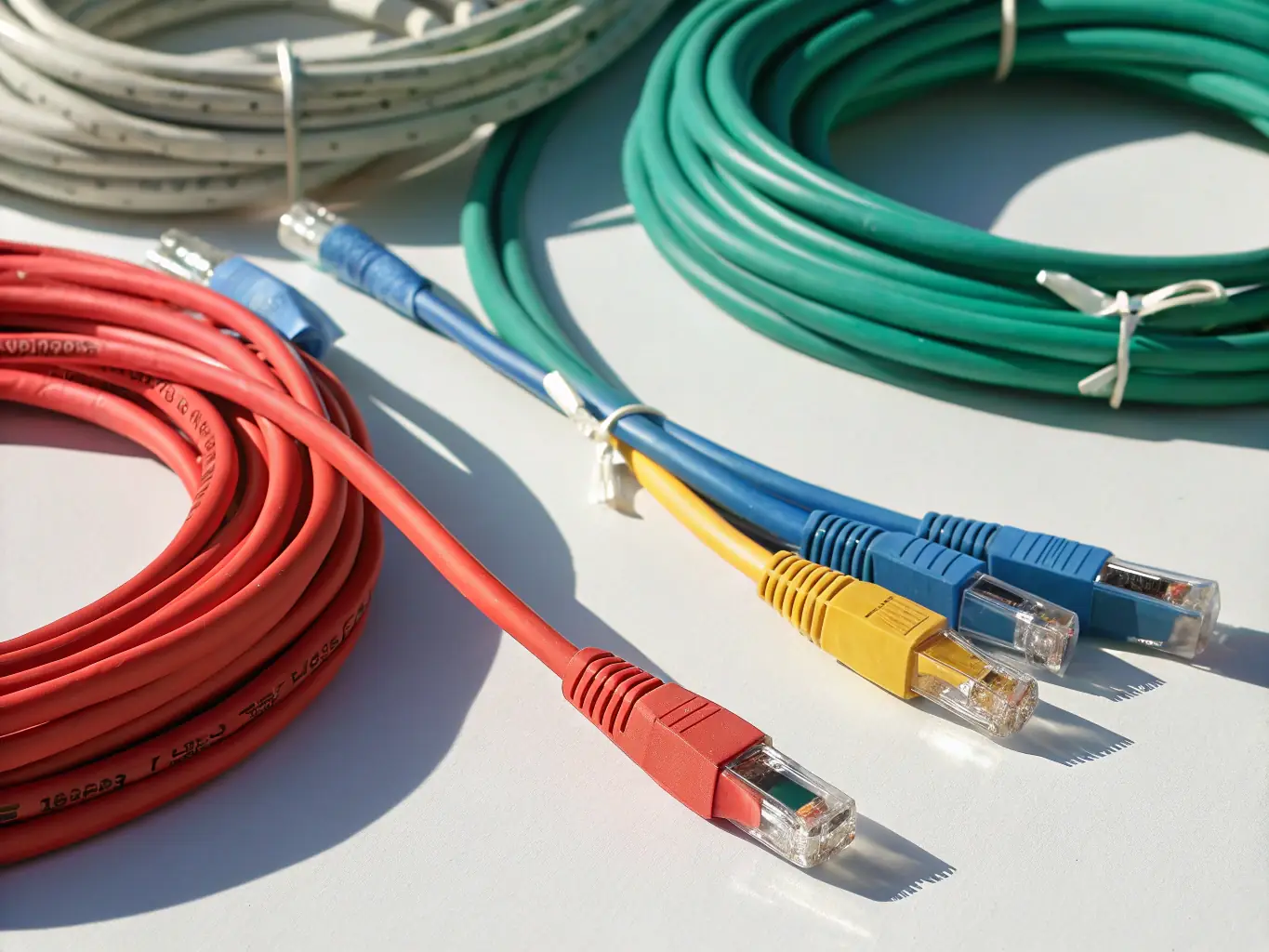
DataTel 360 has supported commercial clients across Metro Atlanta since 1998. Our crews install and certify structured cabling for offices, warehouses, and distribution centers, build MDF and IDF rooms, and design network infrastructure that holds up under real business load. Fiber work covers installation, fusion splicing, repair, and outside plant construction — including underground conduit pathways that connect buildings across a campus or a new development.
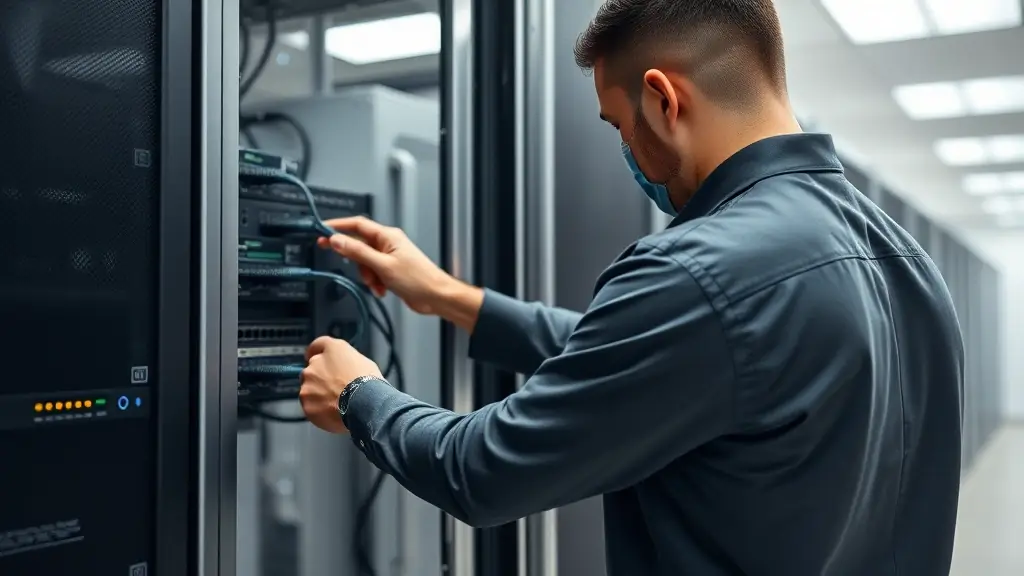
In data centers and colocation facilities we handle rack and stack, cabinet buildouts, cross-connects, structured copper and fiber runs, and on-site support for equipment moves and expansions. On the communications side, we deploy business phone systems and Cloud VoIP, migrate organizations off aging on-premise platforms, and support commercial paging and enterprise Wi-Fi throughout Georgia. A technology site survey is usually the starting point for larger projects, giving you accurate drop counts, pathways, and a documented plan before anyone pulls cable.
Office relocations are coordinated so voice, data, and wireless are ready the day your team walks in, and emergency support is available for urgent cabling, fiber, network, and phone issues. You can review real completed work on our Atlanta network cabling projects page. For organizations with sites outside the region, multi-location rollouts and nationwide field services are delivered through our TechDispatch360 division.